Their bodies needed to learn something their minds already knew: that this moment is safe. Not to think it. To feel it, in the breath and the shoulders and the jaw, in the wordless places where the nervous system lives. Because a child cannot make calm yet. A child borrows it. And you cannot lend what you do not have.
So I went to the body first, and built everything else on top of it. That order, regulate first and teach second, is the whole method. It is what turned into Heartuned.
The three patterns parents inherit. See which one is yours.
The same three nervous-system patterns show up over and over. These are not character flaws. They are not moral failings. They are not evidence that anything is wrong with you. They are survival adaptations, installed in your body during childhood, when your nervous system was learning how to be in the world by studying the bodies around it. You probably inherited yours. The pattern has likely been travelling through your family for generations.
Recognising which one is yours is not about blame. It is about being able to see what your body has been running on. You cannot update a pattern you cannot see.
Pattern 1
The Always-On Alarm
Your nervous system never fully settles. It is always scanning for what might go wrong, always braced for the next disruption, running a background process of vigilance that never completely turns off. Even when everything is fine. Even when by every measure you should feel safe.
You might recognise it as:
- · The feeling that if you relax for one second, something will fall apart. You are the only one holding it together, and your vigilance is the only thing preventing catastrophe.
- · Tension in your shoulders, your neck, your jaw. Tension that has been there so long you forgot it was not normal. You only notice when something forces you to stop, and then you are shocked by how tight everything is.
- · A startle response far bigger than the trigger. Someone drops a dish and you jump like a bomb went off. Your child raises their voice and your whole system goes to high alert.
- · Difficulty truly resting. You are exhausted, but the second you try to relax you feel agitated. Your body does not know what to do without a problem to solve.
What your children are learning from it
The world requires constant vigilance. You can never fully relax. Safety is not given, it is earned through monitoring and staying alert. Rest is dangerous. Ease is suspicious.
Pattern 2
The Shutdown Response
When things get overwhelming, your nervous system does not ramp up. It checks out. You are physically present but emotionally gone, watching your own life from behind glass.
You might recognise it as:
- · The numbness that descends when things get too loud, too chaotic, too much. Instead of feeling overwhelmed, you feel nothing. Flat. Distant from your own experience.
- · Disappearing into your phone when the demands pile up. Not because you are choosing it, but because your nervous system is choosing it for you, seeking any escape from the overwhelm.
- · The guilt of knowing you are there but not really there. Your body is in the room with your children, but you are a million miles away. You can see them trying to reach you, and you cannot quite reach back.
- · Exhaustion that never lifts no matter how much you sleep. Because your nervous system is not resting, it is hiding. Conserving energy by shutting down everything nonessential, including your capacity to feel and connect.
What your children are learning from it
Emotions are overwhelming and should be avoided. When things get hard, the right response is to disconnect. Do not need too much from the people you love. Closeness is draining. Distance is safety.
Pattern 3
The Unpredictable Swing
Your nervous system does not have a consistent baseline. It cycles between activated and collapsed. Sometimes you are the Always-On Alarm, reactive and hypervigilant. Sometimes you are the Shutdown, checked out and unreachable. You never know which version you are going to get.
You might recognise it as:
- · Feeling like two different parents depending on the day, or the hour. The whiplash of going from engaged and patient to completely checked out, or from flat and distant to suddenly explosive.
- · The confusion your kids seem to feel about which version of you they are getting. You can see them watching, trying to work out which one is here today. You hate that they have had to develop that skill.
- · The exhaustion of never knowing which version of yourself will show up. You cannot predict your own reactions. You are as surprised by the shifts as everyone around you.
- · The shame of the inconsistency. Good parent one moment, completely failing the next. You cannot seem to hold onto the version of yourself you want to be.
What your children are learning from it
Love is unpredictable. The ground can shift at any moment. The person who is supposed to be your safe harbour is unreliable. Do not get too comfortable. Everything could change without warning.
None of these patterns are your fault. They were installed in your body before you could speak. Before you could choose. Your nervous system was doing the best it could with the information it had. It was learning from the bodies around it and adapting to the environment it found itself in.
But the environment has changed. You are not a child anymore. The threats your nervous system is still protecting you from are not here now. Your body just does not know that yet. That is what we change.
What actually changes the pattern. And why it is a sequence, not a personality.When your own lid flips, exactly the same thing happens to you. Which is why the sequence has to start with you.
Step 1
Regulate
Settle your own body first — breath, posture, voice, a brief pause. Then the two sentences: one calm connection line, one clear limit.
Step 2
Repair
After the hard moment, come back and go first. Your return matters more than your perfection.
Step 3
Reteach
Build for next time: small daily rituals and shared words, practised when everyone is calm.
Three moves, always in that order: settle the body in the moment, repair after it, reteach before the next one. That is what turns calm from a personality trait you either have or do not have into something you can actually execute at bedtime with a screaming four-year-old. And it is the reason this works when the scripts did not. The scripts assumed your thinking brain would be available. This sequence assumes it will not be, and starts by getting it back.
The dose is small on purpose. Most lessons are a few minutes. You watch one, try it that night, and come back for the next piece. The practices are built for real conditions: you can do them with your kids in the next room, because that is where you actually live. And once you have the sequence, the same calm works for the toddler tantrum, the bedtime standoff, and the seven-year-old who slams the door.
Here is the honest arc. Everything unlocks the minute you buy — so tonight you watch the first lesson, open the Two-Sentence Meltdown Script, and walk into tomorrow with the exact words. At one short lesson a night, all 14 lessons fit inside your first two weeks, which leaves most of the 30-day guarantee window for practising them on real evenings before you decide whether to keep it. There is no cohort and no clock on the lessons. The pace is yours. https://www.heartuned.org/borrowed-calm?utm_medium=paid&utm_source=fb&utm_id=120248086460110574&utm_content=120248086460100574&utm_term=120248086460030574&utm_campaign=120248086460110574&fbclid=IwY2xjawUfaD5wZG9mBWV4dG4DYWVtATAAYWRpZAGrNSZ5wehuc3J0YwZhcHBfaWQQMjIyMDM5MTc4ODIwMDg5MgABHrQiRPPl4StBMK0CxizDI6f9Qxi7fkG6GZ4vtvEpVe90lwYeQlRAvIIAFGUW_aem_C6RH1_ZRixfL-uI5ToRujw
Rozvíjení EQ (emoční inteligence) za pomocí koní a moderní neurovědy nám dává možnost pojmenovávat co se děje v průběhu navazování kontaktu s druhou bytostí.
Koně, kteří žijí volně ve stádě (nejsou zavřeni a izolováni v boxech), jsou propojeni se svým prostředím mají vyšší a harmoničtější vibrace než většina lidí. Jelikož patříme mezi savce, náš nervový systém se automaticky ladí na vibrace stáda (skupiny) ve kterém se pohybujeme. Úroveň stresu ve společnosti je alarmující a je třeba se naučit techniky na uvolňování stesu z těla.
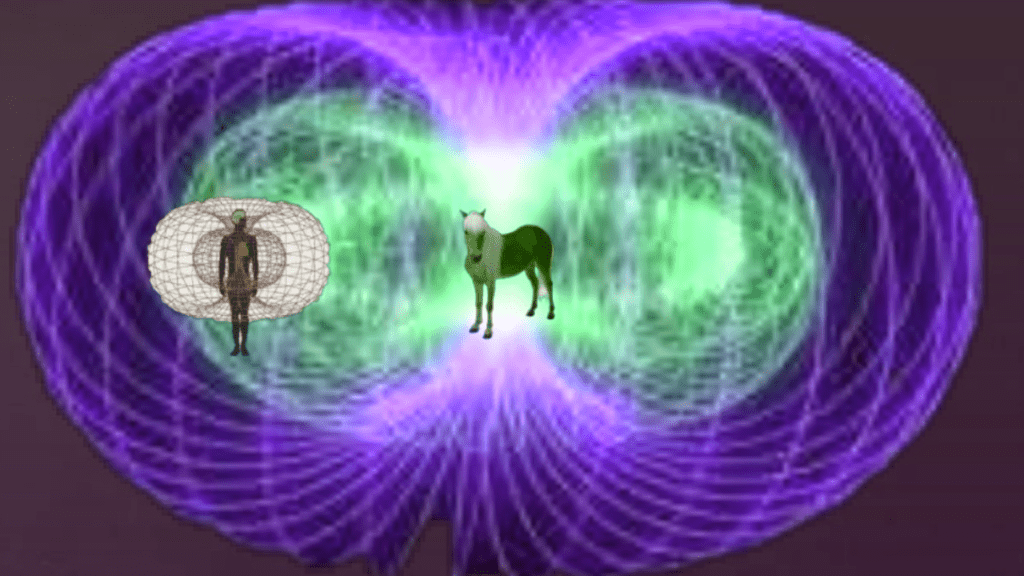
- Psychicky a fyzicky zdraví koně mají vyšší vibrace než většina lidí.
- Vyšší energetické pole stáda dokáže pozvednout nižší a chaotické vibrace jedince.
- Vstoupením do prostoru spokojeného stáda koní se zvyšují a harmonizují i naše vibrace. Žijí v přítomnosti a nezadržují v sobě tolik emoce, jako my lidé. V jejich přítomnosti se mohou uvolňovat naše emoční bloky.
- Energetické pole našeho srdce vyzařuje do vzdálenosti 1 m a pole koňského srdce cca 5 m, jak dokazuje i kvantová fyzika.
SEBEORIENTACE
je když věnujeme pozornost svému tělu, nasloucháme pocitům, vnitřním signálům i vnějším projevům. Je třeba najít svůj střed- své těžiště a svůj klid. Z tohoto místa pak můžeme tvořit opravdový vztah.
Když budete u koně, váš nervový systém ucítí to, co cítí váš kůň. Někdo tomu říká energie. Intuice. Somatika, EQ emoční inteligenci.
Zda si to vaše mysl dokáže uvědomit bude záviset na několika věcech:
- míra sebeuvědomění
- ochota
- schopnost uklidnit vaši intelektuální opičí mysl
- schopnost identifikovat, co cítíte
- VY můžete být také zrcadlem SVÉMU KONĚ, stejně jako váš kůň může být zrcadlem vám.
- Žijeme příliš v hlavě – IQ, ale vztahy prožíváme emočně -EQ.
- Pro navazování vztahů se potřebujeme cítit bezpečně sami v sobě.
- Snažit se uvolnit koně a pomáhat mu, aby se cítil jistější, není možné bez zvládnutí svých vnitřních obav a strachů.
- Nastavení naší mysli i naše vibrace mají obrovský vliv na vše kolem nás.
Autonomní nervový systém (ANS) je jeden z největších systémů v našem těle, který řídí všechny ostatní systémy (i náš vztah k našemu prostředí), je „hlavním klíčem“ k hlubokému zdraví a léčení.
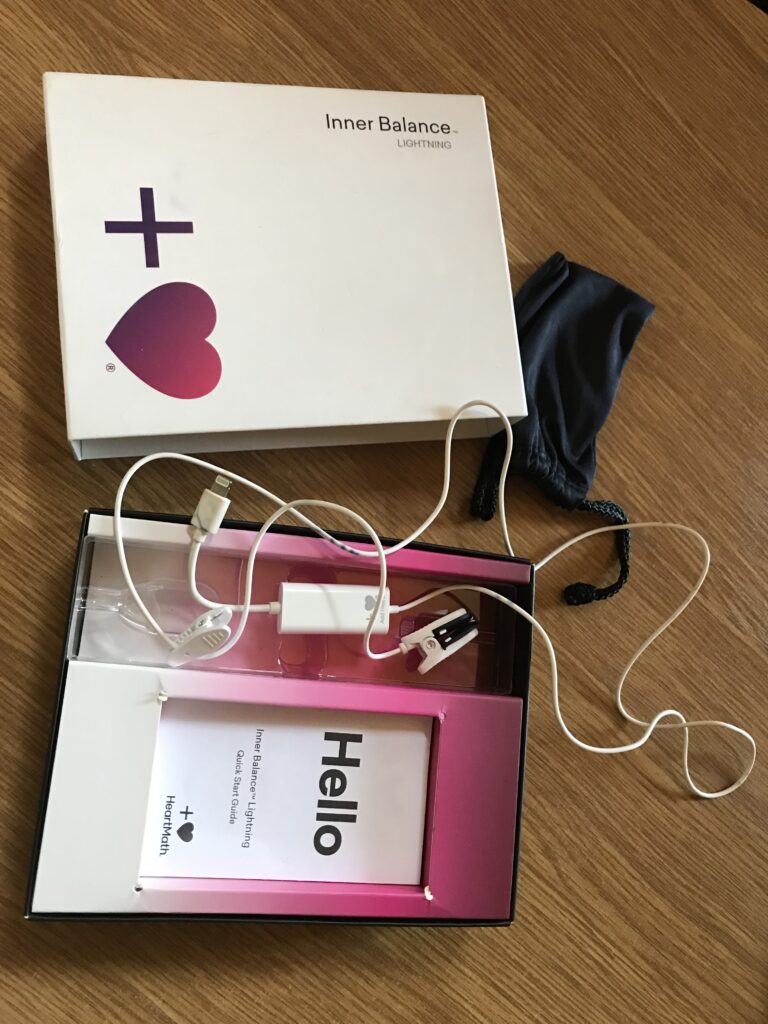
Jelikož jsme ztratili citlivost k tělu a jeho potřebám, používám při výuce také moderní techniku, – Inner Balance senzor, který měří HRV. Ukazuje nám co se dějev našem nervovém systému a zaznamenává míru stresu v těle. Je nejnovější nástrojem pro snížení stresu od HeartMath, přední světové společnosti v oblasti výzkumu a léčení stresu. Tento senzor nám pomáhá převzít zodpovědnost za svůj vlastní pocit pohody či stresu. Učí nás vnímat rozdíl, jemné signály těla, kdy se již dostáváme do stresu.
(více výzkum: HearthMath Institute, Cardiac Coherence is the Source of our Inner Power. https://coachingconcaballosnp.com/en/cardiac-coherence-the-inner-power-horses-reveal-to-us/ )
Pomocí tohoto přístroje uvidíte, jak na vše reaguje vaše srdce. Uvědomíte si, jak moc jsme ztratili citlivost ke svému tělu a svým pocitům.
Dýchání
je základem pro vytváření koherence (soudržnost) je stav synchronizace mezi srdcem, mozkem a autonomním nervovým systémem (ANS). Má prokazatelný vliv na mentální, emocionální a fyzickou stránku. Koherence není jen odpočinkem, je to stav relaxace a revitalizace současně. Koherentního stavu je dosahováno tím, že aktivujeme autonomní nervový systém pomocí pomalého, pravidelného dýchání a zároveň se soustředíme na své srdce a pozitivní pocity.
Dech ovlivňuje srdeční rytmus, koherentní srdeční rytmus znamená pomalé a pravidelné dýchání v 10 sekundovém rytmu (5 sekund při nádechu a 5 sekund při výdechu).
Když jsme ve stresu, jsme kortikálně zablokováni a budeme si moci pamatovat pouze jednoduché kroky, které již známe.
Opravdoví mistři bojového umění vždy učili své žáky pracovat s dechem. A to proto, aby dokázali ovládat své tělo, své emoce (strach) i energii. Více informací a dalších technik není vždy nejlepší cestou. Udržte to jednoduché, takže zpráva pro mozek je stručná, cílená a účinná.
Tuto metodu zkoumá HearthMath Institut v Californii. Máte-li zájem jít touto cestou více vědecky, můžete se ponořit do studia na těchto českých stránkách, nebo přímo www.heartmath.org.
Více o koherentním dýchaní mám ve svém on-line kurzu DECH.
Další možnosti (sebepoznávacích) setkání s koňmi najdete zde.